Trusted Panama City Beach top Pool Cleaning Service for Quality Results
Trusted Panama City Beach top Pool Cleaning Service for Quality Results
Blog Article
Dependable Pool Cleaning Service for Crystal Clear Waters
A trustworthy pool cleaning service is crucial in preserving clear and healthy waters. With professional expertise and specialized tools, these services effectively manage chemical balances and avoid potential health hazards. Routine upkeep not only enhances a pool's visual attractiveness but also safeguards its longevity. Recognizing the key benefits and considerations of hiring such a service can result in informed decisions for pool owners. What factors should be taken into account when selecting the right service?
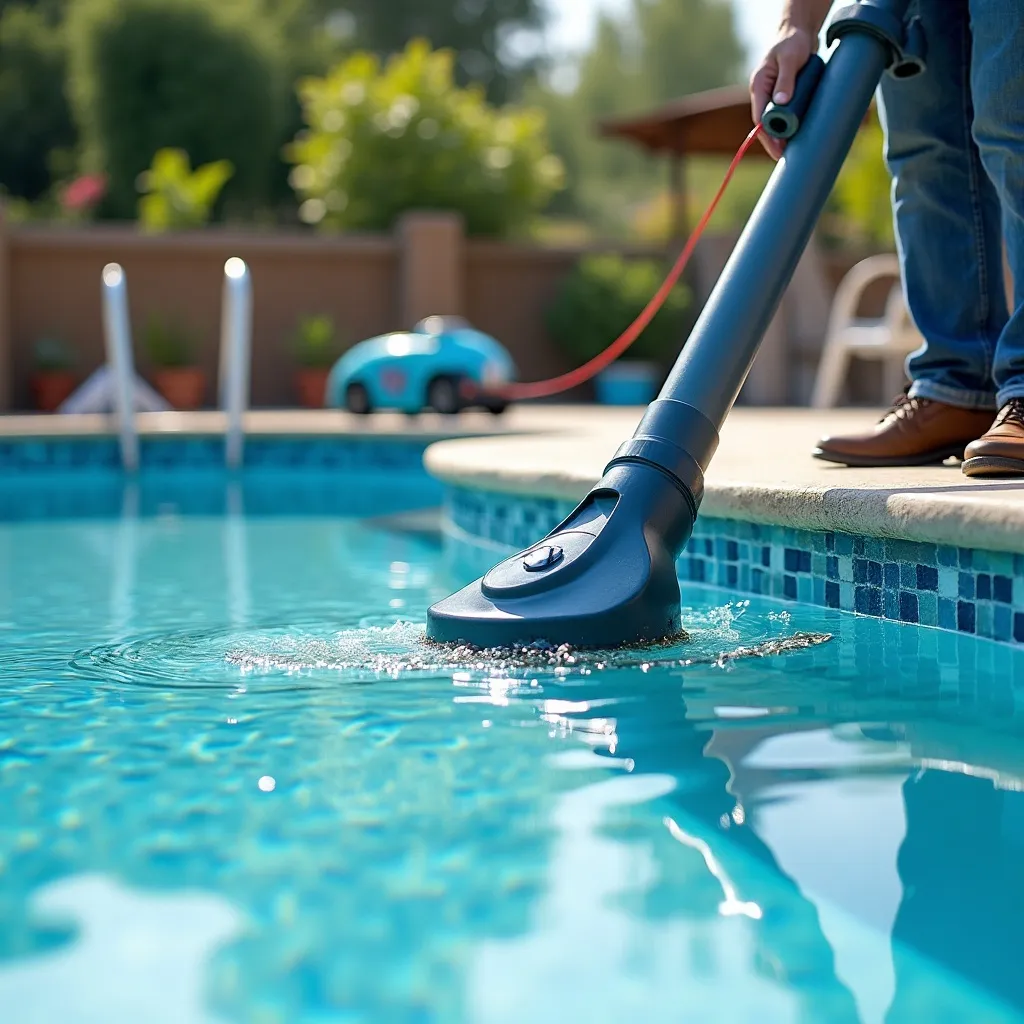
Why Choose a Reliable Pool Cleaning Company?
Why should property owners evaluate a trustworthy pool cleaning service? The care of a pool needs consistent upkeep to guarantee water quality and safety. Homeowners often lack the time or expertise to oversee this effectively. A reliable pool cleaning service offers expert skills and tools, confirming that the pool stays clean and inviting. By entrusting the task to professionals, homeowners can avoid potential health hazards connected with unclean water, such as algae growth and harmful bacteria.
Additionally, these services can help lengthen the life of the pool's infrastructure by addressing issues like debris accumulation and chemical balance. Homeowners can also benefit from routine inspections, spotting problems before they worsen into costly repairs. Ultimately, retaining a dependable pool cleaning service allows homeowners to enjoy their pool without the stress of maintenance, providing peace of mind and enhancing their overall swimming experience.
Important Benefits of Employing a Pool Cleaning Service
While many homeowners may underestimate the importance of pool maintenance, hiring a professional pool cleaning service offers substantial advantages that upgrade both the overall condition of the pool and the user's experience. One considerable advantage is the skill set these professionals bring, confirming that all aspects of pool maintenance—from maintaining proper chemical levels to equipment maintenance—are handled correctly. This skill set works to prevent costly repairs in subsequent years.
Furthermore, a routine cleaning schedule eases the burden on homeowners, permitting them to savor their pool without the anxiety of upkeep. Professionals also use professional-grade tools and superior cleaning solutions that can achieve superior results compared to DIY methods.
In addition, engaging a service saves time, enabling homeowners to concentrate on leisure rather than labor. Ultimately, the investment in a pool cleaning service establishes a more attractive, clean swimming environment, amplifying both the aesthetic appeal and functionality of the pool.
Crucial Requirements for Selecting a Pool Maintenance Business
Choosing the right pool cleaning service requires thoughtful evaluation of multiple important elements. First and foremost, a reputable service should have proper qualifications, including licenses and insurance, ensuring compliance with local regulations and providing protection against possible risks. Additionally, client feedback and recommendations serve as valuable indicators of dependability and excellence, allowing prospective clients to assess the service's reputation.
Additionally, the variety of offerings offered is essential; a comprehensive cleaning solution should encompass routine upkeep, chemical balancing, and equipment checks. Price transparency is yet another key consideration, as clear and upfront estimates help avoid unexpected costs. Moreover, a dedication to employing environmentally friendly products can improve the service's attractiveness, aligning with the preferences of environmentally aware customers. Finally, the provision of adaptable scheduling arrangements ensures that the offering can meet customers' individual requirements, boosting general satisfaction and ease.
Assessing Pool Cleaning Methods: Benefits and Drawbacks
When analyzing pool cleaning methods, it is necessary to understand the merits and limitations of each approach. Manual cleaning allows for thorough attention to detail but can be labor-intensive and time-consuming. Automatic cleaners present convenience and efficiency, though they may not reach every corner of the pool.
Chemical agents are effective in purifying, but wrong application can lead to imbalanced water chemistry. In contrast, natural cleaning methods, like using natural catalysts, are eco-friendly but may require more regular dosing to maintain clarity.
Robotic cleaning devices are increasingly popular, offering a balance of automation and effectiveness but can come with a higher upfront cost. Ultimately, the choice of cleaning method depends on budget, available time, and personal preference. Understanding these pros and cons helps pool owners choose wisely to ensure their pool water stays pristine and appealing.
What Schedule is Recommended for Pool Care?
Assessing how regularly a pool requires cleaning depends upon varied factors that can greatly impact maintenance demands. Seasonal changes, the degree of pool activity, and overall water quality constitute key roles in developing an efficient cleaning timetable. Understanding these elements can allow pool proprietors sustain a safe and delightful swimming milieu.
Seasonal Maintenance Tips
Routine pool cleaning is vital for maintaining a safe and appealing aquatic environment. Seasonal care recommendations suggest that pool owners should book maintenance sessions depending on the unique requirements of their pool and local climate. In spring, a thorough cleaning is essential to remove accumulated debris over winter. During the summer months, weekly cleanings are commonly recommended to regulate heavy usage and algae formation. As autumn approaches, more frequent cleanings may be needed to handle leaves and other biodegradable substances. In winter, if the pool is not being used, fortnightly maintenance can help prevent complications like freezing and algae buildup. Following these seasonal suggestions guarantees excellent pool wellness, safety, and pleasure throughout the year.
Pool Application Frequency Impact
How often should pool managers consider cleaning their pool? The frequency of pool upkeep is primarily determined by usage patterns. For pools that see daily use, particularly in warmer months, a weekly cleaning schedule is recommended to preserve ideal hygiene and appearance. In contrast, pools that are used less frequently may only require cleaning every two weeks. Weather-related considerations also factor in; for instance, in the fall, leaves and debris may require more regular attention. Additionally, the presence of bathers brings in contaminants, which can speed up the need for cleaning. Understanding these factors helps pool managers establish a customized maintenance schedule that ensures a sparkling, inviting swimming environment without excess upkeep expenses.
Quality of Water Considerations
The cleanliness of pool water is an important factor in establishing a safe and enjoyable swimming environment. Regular maintenance is essential to preserve ideal water quality, typically suggested once a week for residential pools. However, the frequency may vary based on multiple factors, including pool usage, weather conditions, and surrounding vegetation. Heavy usage or debris-filled environments may necessitate more frequent cleaning. Additionally, regular testing of water chemistry—such as pH and chlorine levels—is crucial to ensure sanitary conditions. Neglecting these aspects can lead to algae growth, cloudy water, and possible health risks. Consequently, investing in a reliable cleaning service not only enhances the pool's appearance but also protects the health of its users.
What Issues Occur Without Scheduled Maintenance?
Ignoring pool maintenance can result in a variety of problems that undermine both the safety and pleasure of the swimming environment. Without regular cleaning, waste builds up, creating a haven for algae and bacteria, which can pose safety hazards to individuals using the pool. Furthermore, unbalanced chemical levels may result in skin irritation and discomfort, eye discomfort, or even more severe health problems.
Over time, the pool's filtration system can become clogged, decreasing its efficiency and leading to cloudy water. Moreover, neglecting routine checks can cause physical deterioration, including cracks in the pool surface study and corrosion of metal components. This deterioration not only affects aesthetics but can also lead to expensive maintenance. Overall, failing to maintain a pool compromises its functionality and security, ultimately reducing the enjoyment of swimming and raising ongoing costs for the owner. Routine upkeep is crucial for preserving a clean, safe, and enjoyable pool setting.
Typical Pool Cleaning Mistakes to Steer Clear Of
Regular maintenance is essential for preventing a host of problems, but even careful pool owners can make mistakes during the cleaning routine. One common error is neglecting to monitor chemical levels before cleaning. Improper balance can result in algae growth or cloudy water, undermining the cleaning effort. Additionally, employing the wrong tools can damage surfaces; for instance, metal brushes can scratch vinyl liners.
Neglecting the skimmer and pump baskets is another common blunder. These can limit water flow and reduce cleaning efficiency if not cleared regularly. Some owners fail to maintain filters regularly, causing reduced performance and elevated energy costs.
Finally, infrequent cleaning can cause a buildup of debris and contaminants. By avoiding these common pitfalls, pool owners can ensure their maintenance schedules are efficient, maintaining their pools crystal clear and welcoming for all.
Frequently Requested Questions
What ways can I use to validate if my pool cleaner is properly licensed?
To determine if a pool cleaner is properly certified, one should check their qualifications with pertinent professional organizations, examine licensing status, and inquire about their training and experience in pool care and safety protocols.
What Chemicals Do Pool Maintenance Companies Usually Use?
Pool cleaning services typically employ chlorine-based products, pH adjusters, algae killers, and clarifiers. These substances maintain water clarity, prevent algae growth, and ensure secure aquatic environments, contributing to effective pool maintenance and overall hygiene.
Do Pool Cleaning Services Have the Ability to Complete Repair Tasks as Well?
Numerous pool cleaning companies deliver repair capabilities, addressing concerns such as leaks, equipment malfunctions, or surface deterioration. Their expertise permits for both care and restoration, ensuring pools remain functional and safe for users.
How Do Climatic Factors Impact Swimming Pool Maintenance Timelines?
Environmental circumstances significantly shape pool cleaning plans. Rain, wind, and extreme temperatures can hinder scheduling, requiring schedule modifications. Additionally, storms may bring in materials, necessitating more frequent cleanings to preserve water purity and transparency.
How can I get ready before the Pool Cleaning Service gets there?
As the pool service team approaches, the homeowner should dispose of any pool toys, seating, and leftover materials from the area. Additionally, evaluating the water level and ensuring access to equipment can support a smoother cleaning process.